|

Lactic Acid

Discover the transformative allure of Lactic Acid, an exquisite skincare ingredient that delicately resurfaces and hydrates, unveiling a smoother, more luminous visage. Its luxurious formulation indulges the senses, enveloping the skin in a veil of rejuvenation and refinement. Elevate your skincare ritual with this sophisticated elixir, cherished for its gentle touch and remarkable efficacy.

Key Benefits
Improves Skin Texture Enhances Hydration Refines Pores
Pregnancy
Safe
When to Use
Night

What Exactly Is Lactic Acid?

Here's what you're putting on your skin — and why we love it.

Lactic Acid is an alpha hydroxy acid (AHA) derived from milk, though it can also be synthetically produced for skincare formulations. It is renowned for its ability to gently exfoliate the skin's surface, removing dead skin cells and promoting cell turnover. This multifaceted ingredient not only enhances skin texture but also offers hydrating benefits, making it a staple in luxurious skincare regimens.

Scientifically, Lactic Acid works by breaking down the bonds between dead skin cells, facilitating their natural shedding. Its structure allows it to attract and retain moisture, delivering a dual-action approach that exfoliates and hydrates. With a rich history dating back to ancient Egypt, where it was used in milk baths, Lactic Acid continues to be celebrated for its skin-refining prowess.

What Happens When Lactic Acid Touches Your Skin

Understanding the process helps you get better results at home and in the treatment room.

Lactic Acid operates by loosening the bonds between dead skin cells on the epidermis, enabling them to slough off more easily. This process reveals a fresher, more radiant layer of skin beneath and helps to prevent pore congestion, reducing the likelihood of blemishes. Its exfoliating action is gentle yet effective, making it suitable for a wide range of skin types.

In addition to exfoliation, Lactic Acid is a humectant, which means it draws moisture into the skin, bolstering its hydration levels. This dual mechanism not only smooths and softens the skin but also aids in fortifying the skin barrier, enhancing its resilience against environmental aggressors.

Why Our Therapists Reach for Lactic Acid

When it comes to choosing actives for your treatment, our therapists are selective. Here's why Lactic Acid earns its place.

Therapists at Stephanies® Luxury Spas favour Lactic Acid for its remarkable ability to transform the skin's texture and appearance without aggressive irritation. Its gentle exfoliating action makes it a versatile choice for both facial and body treatments, offering clients a refined, radiant complexion.

The hydrating properties of Lactic Acid further elevate its appeal, as they ensure that skin remains supple and nourished post-treatment. Therapists appreciate its ability to improve skin tone and texture while maintaining the skin's essential moisture balance, providing a holistic approach to skincare that aligns with our luxury spa ethos.
— Stephanies Skin Therapists

What Lactic Acid Will Do for Your Skin

These are the results our guests notice — and the reasons we keep coming back to this ingredient.

Improves Skin Texture

Gently exfoliates to reveal smoother, softer skin.

Enhances Hydration

Attracts moisture to the skin, preventing dryness.

Refines Pores

Helps to minimise the appearance of pores.

Promotes Radiance

Boosts skin luminosity for a youthful glow.

Evens Skin Tone

Reduces discolouration for a more uniform complexion.

The Insider Tip

Straight from the treatment room — something most guests don't know about Lactic Acid.

A professional tip from our skin therapists: Incorporate Lactic Acid into your evening skincare routine to maximise its exfoliating and hydrating benefits. Pair it with a nourishing moisturiser to lock in hydration and support the skin's natural repair processes overnight.
— Stephanies Skin Therapists

Who Benefits Most from Lactic Acid?

Not every ingredient is for everyone — here's who we see the best results with.

Lactic Acid is ideal for individuals seeking to improve skin texture and hydration. It is particularly beneficial for those with dry, sensitive, or ageing skin, as its gentle exfoliation does not strip the skin of essential moisture.

Additionally, those experiencing uneven skin tone, fine lines, or rough texture will find Lactic Acid to be a valuable addition to their skincare regimen, offering a radiant, more youthful complexion.

How to Use Lactic Acid in Your Routine

Getting the application right makes all the difference. Here's what our therapists suggest.

Application
Apply Lactic Acid products to cleansed skin, starting with a lower concentration to assess tolerance. Gradually increase usage frequency and concentration as tolerated.
When to Use
Lactic Acid is best used in the evening to allow the skin to benefit from its exfoliating and hydrating properties overnight. It is ideal for winter use when skin tends to be drier.
Worth Knowing Before You Layer

Avoid combining Lactic Acid with other strong acids or retinoids in the same routine to prevent irritation, as this can over-exfoliate the skin.

Use Lactic Acid at Home

These are the products our therapists recommend when guests want to continue working with Lactic Acid between visits.

Feel Lactic Acid in Professional Hands

While we don't currently have a treatment built specifically around Lactic Acid, our therapists may incorporate it into your session based on your skin's needs. Ask about it during your next visit — or explore our full treatment menu below.

What to Pair with Lactic Acid

Ingredients work better in the right company. These are the combinations our therapists recommend for stronger results.

Good to Know

Individuals with very sensitive or compromised skin should use Lactic Acid with caution. Patch testing is recommended to ensure compatibility.

Pregnancy & Sensitivity

Lactic Acid is generally considered safe for use during pregnancy. However, it is advisable to consult with a healthcare provider before incorporating new skincare ingredients.

Frequently Asked Questions

While Lactic Acid is gentler than some other acids, it's recommended to start with 2-3 times a week and gradually increase as tolerated.

Yes, Lactic Acid is suitable for sensitive skin due to its gentle exfoliating nature. However, always patch test first.

Lactic Acid can increase sun sensitivity, so it's crucial to apply sunscreen daily when using it in your skincare routine.

It's best to use Lactic Acid and retinol on alternate nights to avoid irritation, as both are potent exfoliants.

Lactic Acid is an alpha hydroxy acid (AHA) derived from milk, though it can also be synthetically produced for skincare formulations. It is renowned for its ability to gently exfoliate the skin's surface, removing dead skin cells and promoting cell turnover. This multifaceted ingredient not only enhances skin texture but also offers hydrating benefits, making it a staple in luxurious skincare regimens. Scientifically, Lactic Acid works by breaking down the bonds between dead skin cells, facilitating their natural shedding. Its structure allows it to attract and retain moisture, delivering a dual-action approach that exfoliates and hydrates. With a rich history dating back to ancient Egypt, where it was used in milk baths, Lactic Acid continues to be celebrated for its skin-refining prowess. If you'd like to know how it fits into your routine specifically, our therapists can walk you through it during your next visit.

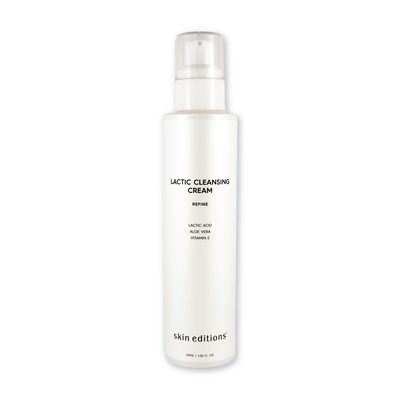
You'll find Lactic Acid in several of our Skin Editions products, including Lactic Cleansing Cream. Not sure which one suits your skin? Our therapists can match you with the right formula.

Not Sure if Lactic Acid Is Right for You?

Ask Ivy, our skincare concierge, for personalised guidance — or book a consultation and let one of our therapists assess your skin in person.
Talk to a Therapist
Book Gift Cards